
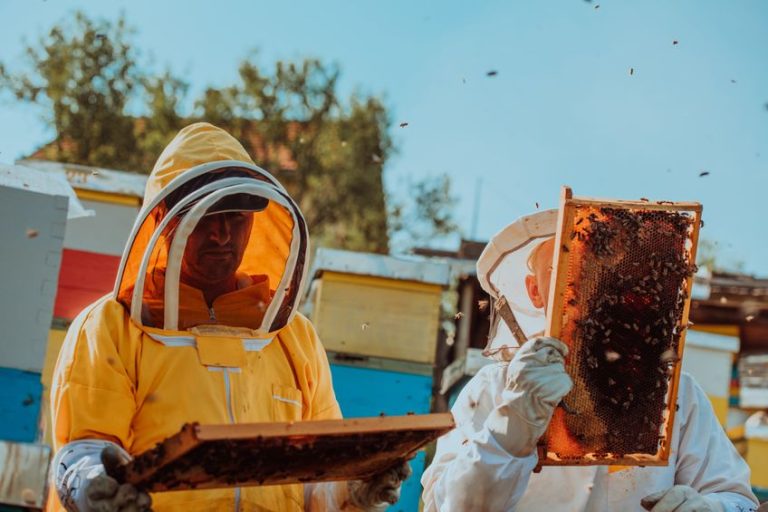
Honey can look like a simple ingredient on a specification sheet, but its supply chain is not always as straightforward. Without clear traceability and verification, manufacturers may have limited insight into where their honey came from, how it was handled, or whether its sourcing claims are supported.
Honey Authenticity Starts Before the Ingredient Arrives
Counterfeit and misrepresented honey are persistent industry concerns. A product may look, taste, and flow like honey while still raising questions about its origin or composition.
That poses a risk to procurement and quality assurance teams. A low price does not confirm authenticity, country of origin, testing, or supply chain documentation. When those details are unclear, buyers may struggle to determine whether an ingredient meets their company’s standards.
Strong honey authenticity and traceability practices give manufacturers greater visibility into how honey moves from its source to the finished ingredient supply.
The important question is not only whether a product resembles honey. Buyers also need to know whether the supplier can document its origin and how it moved through the supply chain.
What Does “True Sourced” Honey Mean?
True sourcing begins with documented origin.
A responsible supplier should understand where its honey was produced, who handled it, and what records support its provenance. That requires relationships with beekeepers and supply chain partners, along with processes for maintaining accurate sourcing information.
Origin also helps manufacturers understand the ingredient itself. Floral sources, regional conditions, and seasonal changes can influence honey’s flavor, color, and other characteristics. Knowing where honey comes from gives buyers useful context for evaluating the ingredient and its intended application.
For procurement and quality teams, true sourcing should make it easier to answer practical questions:
- Where was the honey produced?
- What documentation supports its origin?
- How does the supplier evaluate its sourcing network?
- Can the supplier support internal traceability requirements?
True sourcing is more than a label statement. It reflects the work required to understand an ingredient’s history before it enters a formulation.
How Is Honey Sourcing Verified?
Verification adds accountability to sourcing claims.
A supplier may describe its honey as traceable or responsibly sourced, but independent certification provides additional support for those statements. The True Source Certified® program evaluates participating honey supply chains through documented traceability requirements and independent third-party auditing.
Certification does not replace the broader conversation about honey fraud or ingredient misrepresentation. Those concerns still require transparency from suppliers and careful evaluation by buyers. Verification gives manufacturers another way to distinguish between a general claim and a sourcing process supported by an external program.
For buyers looking more closely at certification, True Source honey traceability can help explain how documented sourcing and independent review support ingredient integrity. At GloryBee, our True Source Certified status reflects our participation in that verification process.
Why Traceability Matters Across the Organization
Traceability is not only a procurement issue.
Quality assurance teams need documentation that supports ingredient identity and origin. R&D professionals need to understand how honey performs in a formulation. Brand and regulatory teams need confidence that sourcing claims can be supported.
A traceable supply helps every department work from the same information. It also makes supplier conversations more productive because buyers can ask specific questions about origin, testing, handling, and documentation.
What Manufacturers Should Look for Beyond Certification
Manufacturers should evaluate more than certification alone. A supplier’s Quality Assurance program should include ongoing testing, supplier audits, and documented sourcing practices that help verify ingredient integrity from the beekeeper through the finished product. GloryBee’s QA program combines independent laboratory testing, food safety expertise, and multiple verification methods because no single test tells the whole story.
Technical support is equally important. Honey behaves differently depending on its floral source, moisture content, color, and intended application. Working with an experienced Research & Development team can help manufacturers select the right honey, improve formulation performance, and accelerate product development.
GloryBee has spent more than 50 years building relationships with bees and beekeepers while helping food manufacturers confidently source honey. Our commitment to compliance and certifications, responsible sourcing, and ingredient transparency gives procurement, quality assurance, and R&D teams additional confidence throughout the purchasing process.
Manufacturers looking for a long-term sourcing partner can also benefit from working with experienced honey experts who understand everything from formulation and logistics to quality assurance and commercialization.
Ask More of Your Honey Supplier
True sourced and verified honey connects an ingredient claim to documented origin, traceability practices, and outside verification. It gives procurement, quality assurance, and R&D teams a stronger foundation for evaluating both the honey and the supplier behind it.
Do not stop at price and availability. Ask about authenticity, provenance, testing, certification, and the people responsible for moving the ingredient through the supply chain.
Contact GloryBee to discuss your sourcing requirements or request help selecting the right honey for your food or beverage application.