
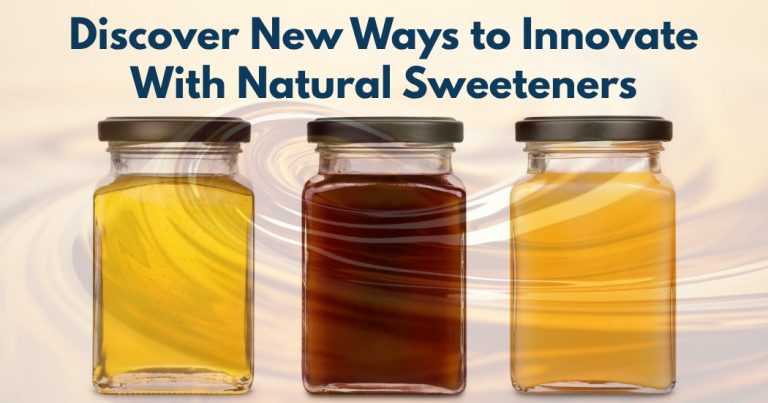
Sweetness is no longer only about adding sugar to a formula. For today’s food and beverage brands, the right sweetener can influence flavor, texture, moisture, color, binding, label appeal, and the overall product experience.
As interest in clean-label products, ingredient transparency, and distinctive flavors continues to grow, manufacturers are looking beyond conventional commodity sweeteners. They need ingredients that fit their formulation goals while supporting the story they want to tell consumers.
Honey is an important part of that conversation, but it is not the only option. GloryBee supplies a range of natural sweeteners and complementary ingredients to help product developers explore new applications, solve formulation challenges, and create standout products.
Innovation Starts With the Right Ingredient
No single sweetener is ideal for every product. A bakery formula may need moisture retention and browning, while a snack bar may require dependable binding. A beverage may call for mild sweetness that allows fruit or botanical flavors to remain prominent. A sauce may benefit from sweetness paired with heat, acidity, or a more complex flavor profile.
That is why ingredient selection should begin with the desired finished product. Manufacturers must consider flavor, viscosity, sweetness intensity, processing conditions, color, texture, certifications, and how the ingredient will interact with the rest of the formula.
Looking beyond a one-size-fits-all approach can help development teams choose an ingredient based on its contribution to the overall product rather than on sweetness alone.
Honey Adds Flavor and Functionality
Honey offers much more than sweetness. Depending on its varietal and application, it can contribute flavor, aroma, moisture retention, browning, color, and texture.
A mild honey may blend easily into beverages, cereals, and sauces, while a stronger varietal can become a defining part of a bakery product, snack, frozen dessert, glaze, or condiment. This range gives developers the flexibility to choose honey based on the finished product’s flavor profile.
Honey can also support a recognizable ingredient statement and provide a sourcing story that consumers understand. However, incorporating honey may require adjustments to liquids, temperatures, or other ingredients, making technical evaluation an important part of the process.
Tapioca Syrup Offers Versatile Performance
Tapioca syrup is a plant-based liquid sweetener that can support a wide range of food and beverage applications. GloryBee’s bulk tapioca syrup options include different dextrose equivalent (or DE) levels, allowing manufacturers to select a syrup based on the function they need.
Lower-DE tapioca syrup can contribute complex carbohydrates and binding, while higher-DE options can provide greater sweetness, humectancy, and browning. Depending on the formulation, tapioca syrup may also support fermentation and shelf-life goals.
Its mild flavor can make it useful in bakery products, snack bars, beverages, gummies, and other applications where the sweetener should not overpower the product’s primary flavors.
Brown Rice Syrup Provides Mild Sweetness and Binding
Brown rice syrup is another useful option for manufacturers seeking a light-tasting liquid sweetener. Its mild profile allows it to complement other ingredients rather than dominate them.
It is often well-suited to baked goods, cereals, granola, snack bars, and gummy applications. Its viscosity can also support binding and texture, making it valuable in products that need ingredients to hold together consistently.
For developers comparing natural sweeteners, brown rice syrup offers a different balance of flavor, color, cost, and functionality than honey or tapioca syrup.
Bold Flavors Create New Product Opportunities
Innovation is not always about finding a neutral sweetener. Many brands are also looking for ingredients that contribute memorable flavor.
GloryBee’s Hot Honey with Smoky Chipotle combines sweetness with smoke and heat. It can inspire applications such as sauces, glazes, marinades, pizza toppings, snack seasonings, and prepared foods.
Organic tamarind puree offers another route to flavor innovation. Tamarind brings tangy sweetness and complex acidity to sauces, chutneys, marinades, glazes, dressings, beverages, and stir-fry applications.
While tamarind is not used solely as a sweetener, it can pair well with honey or another syrup to create a more layered flavor profile. Combining sweetness, acidity, heat, and other flavor elements can help brands develop products that feel more distinctive and memorable.
Let Formulation Goals Guide the Choice
Choosing among honey, tapioca syrup, brown rice syrup, hot honey, and other ingredients requires more than following a trend. The best choice depends on what the product needs to accomplish.
Product development teams should consider:
- The desired type and level of sweetness
- Whether the ingredient should be neutral or add a distinctive flavor
- Needs such as binding, browning, moisture retention, or viscosity
- Processing conditions and ingredient interactions
- Certifications and sourcing requirements
- Consistent availability as production grows
These factors may point to either a single sweetener or a carefully developed combination of ingredients. Testing different options can help teams understand how each choice affects flavor, performance, production, and the final consumer experience.
GloryBee’s research and development services can help manufacturers compare options, evaluate ingredient combinations, and identify solutions aligned with their formulation and production goals.
Explore Natural Sweetener Innovation at IFT FIRST 2026
At IFT FIRST 2026, the GloryBee team will be available to discuss natural sweeteners, flavor ideas, ingredient applications, and practical formulation needs.
Visit booth #1672 to explore honey, tapioca syrup, brown rice syrup, hot honey, tamarind puree, and other ingredients that can help bring new food and beverage concepts to life.