
There is a difference between selling honey and truly understanding it. Honey may seem like a straightforward ingredient, but choosing the right option involves much more than comparing prices or selecting a color grade. Floral source, flavor, moisture, processing, consistency, sourcing, quality assurance, storage, and transportation can all affect how honey performs in a finished product.
Food manufacturers need more than an ingredient catalog. They need access to people who understand honey from the hive through formulation, production, packaging, and fulfillment.
At IFT FIRST 2026, attendees can visit GloryBee booth #1672 to speak directly with honey experts backed by more than 50 years of industry experience.
A Legacy That Began With Beekeeping
GloryBee’s connection to honey began long before the company became a national ingredient supplier.
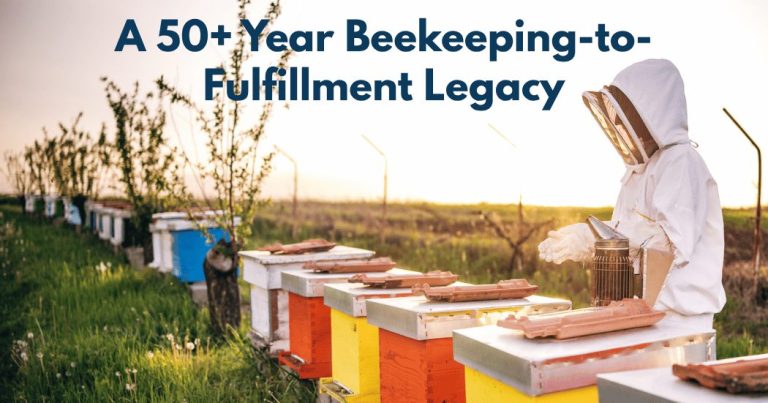
Founded in 1975 by beekeeper Richard “Dick” Turanski and his wife, Pat, GloryBee started as a small backyard honey business in Eugene, Oregon. What began with buckets of honey sold to friends and neighbors gradually grew into a family-owned company serving food manufacturers, retailers, bakeries, foodservice operations, and other businesses.
Today, GloryBee is led by the second generation. Company president Alan Turanski, the founders’ son, has been a beekeeper since childhood. That direct relationship with bees and honey continues to shape how the company approaches sourcing, quality, customer service, and product development.
Understanding Honey From Source to Application
Honey is a natural agricultural product, which means it can vary depending on the floral source, region, weather, harvest conditions, and processing methods.
Those differences can influence flavor, aroma, color, viscosity, moisture, crystallization, and performance. A honey that works well in a granola bar may not create the same experience in a beverage, sauce, frozen dessert, or bakery product.
An experienced honey supplier can help manufacturers look beyond basic specifications and evaluate the complete application. That may include selecting a varietal, comparing flavor profiles, considering color requirements, or identifying a honey that supports a clean-label objective.
GloryBee offers a wide range of bulk honey options, including clover, wildflower, blackberry, orange blossom, baker’s honey, and other conventional and certified choices. The goal is to help customers find an option that fits their product, process, and brand.
Technical Support Can Improve Product Development
Replacing another sweetener with honey is not always a one-to-one substitution. Honey contains water, contributes flavor and acidity, and may affect texture, browning, moisture retention, and processing.
GloryBee’s honey research and development team works with customers to evaluate ingredient combinations, improve yields, optimize product outcomes, and address technical application challenges.
Manufacturers may need guidance on questions such as:
- Which honey profile best complements the other flavors?
- How will honey affect moisture or texture?
- Will the honey remain noticeable after processing?
- Does the formula need adjustments for honey’s water content?
- Which format or quantity is most practical for production?
- How can the product maintain consistency as it scales?
Access to experienced R&D support can help teams answer these questions earlier and move from an initial concept toward a production-ready formula.
Quality and Consistency Matter at Every Stage
Ingredient expertise must also be supported by strong quality systems.
Honey is vulnerable to adulteration, misrepresentation, and inconsistencies within the global supply chain. Manufacturers need confidence that the product they receive meets their specifications and supports the claims they make to customers.
GloryBee’s quality assurance process includes supplier requirements, internal inspections, third-party audits, and testing designed to evaluate honey purity, authenticity, and product quality. The company also works with certification programs that include SQF, True Source, USDA Organic, Non-GMO Project Verified, and OU Kosher.
For food manufacturers, this attention to quality can support more dependable production, consistent finished products, and greater confidence throughout the supply chain.
Support From Procurement Through Fulfillment
A successful ingredient partnership must continue after a honey has been selected.
Manufacturers also need to consider availability, lead times, order quantities, storage, transportation, and scalability. The right ingredient still needs to arrive safely and on schedule.
GloryBee’s shipping and logistics capabilities support bulk ingredient delivery through motor freight, small parcel, air freight, tanker shipments, and customer-arranged pickup.
For companies developing packaged honey products, GloryBee also offers private-label and co-packing capabilities, including multiple honey styles, sources, certifications, packaging materials, and container sizes.
Bringing sourcing, technical support, quality assurance, packaging, and fulfillment together can simplify the process and reduce the number of separate partners a brand must manage.
Bring Your Honey Questions to IFT FIRST 2026
At IFT FIRST 2026, the GloryBee team will be available to discuss honey applications, flavor matching, bulk procurement, sourcing, clean-label positioning, product development, private-label opportunities, and fulfillment needs.
Visit GloryBee at booth #1672 to meet the people behind more than 50 years of honey experience and discover how the right expertise can help your team solve problems, innovate faster, and bring better products to market.