
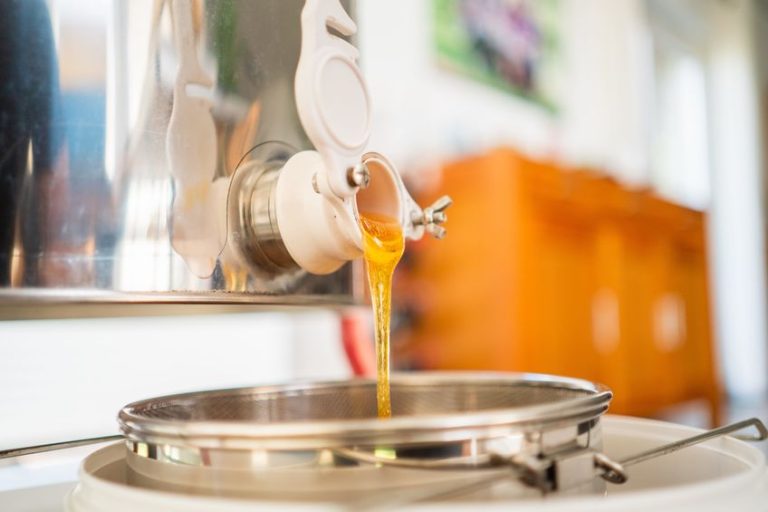
Replacing honey with another sweetener is not always a one-for-one decision. In commercial food production, honey can contribute sweetness while also influencing flavor, color, moisture, texture, and consumer perception of the finished product.
For R&D and procurement teams, understanding those functions can help determine where honey adds value beyond simply sweetening a formulation.
Honey Brings More Than Sweetness to a Formulation
Honey is primarily composed of naturally occurring sugars, but its role in a food product can extend beyond sweetness.
Depending on the application, honey can contribute flavor, aroma, color, and other characteristics that help shape the finished product. Different honey varieties also offer different sensory profiles, giving product developers options when choosing an ingredient for a particular formulation.
That versatility allows honey to be used in a wide range of applications, including baked goods, beverages, sauces, dressings, snacks, cereals, and confections.
For R&D teams, the important question is not simply, “How sweet is it?” It is also, “What else does this ingredient contribute to the product?”
Honey Can Support Moisture and Texture
Honey’s composition can also influence moisture management.
As a hygroscopic ingredient, honey attracts and retains moisture. The Food and Agriculture Organization notes that this characteristic can be desirable in products such as pastries and breads, where honey’s ability to absorb and hold moisture can support the desired characteristics of the finished product.
That functionality needs to be considered as part of the complete formulation. Replacing another sweetener with honey may require adjustments to liquids or other ingredients rather than a direct substitution.
This is where honey research and development support can be valuable. Understanding how honey interacts with the other components of a formulation can help manufacturers determine the appropriate variety, usage level, and processing considerations.
Color and Flavor Give Product Developers Options
Honey is not a standardized flavor or color.
Floral source, geography, season, and processing can influence its characteristics. Lighter honeys may provide a milder flavor and lighter appearance, while darker varieties can contribute a more pronounced flavor and deeper color.
These differences give manufacturers flexibility, but they also make ingredient selection important. A honey chosen for a lightly flavored beverage may not be the same variety selected for a barbecue sauce or hearty baked product.
Color can also affect the finished product, which is why manufacturers may establish specific color parameters when purchasing bulk honey for repeat production.
Honey Can Contribute to Browning
Honey can also influence how foods develop color and flavor during heating.
The naturally occurring reducing sugars in honey can participate in the Maillard reaction, while sugars can also contribute to caramelization under appropriate processing conditions. These reactions can affect the color, aroma, and flavor of baked and cooked products.
For manufacturers, that can be useful when browning is part of the desired product profile. It also means processing conditions need to be considered when incorporating honey into an existing formulation.
Product developers should evaluate honey as part of the entire system rather than treating it as an interchangeable source of sweetness.
Honey Can Support a Recognizable Ingredient Story
Functionality is only part of honey’s value.
Consumers are familiar with honey, and its name is immediately recognizable on an ingredient statement. For manufacturers developing products around straightforward or recognizable ingredients, honey may support a clean label strategy while providing useful formulation characteristics.
That does not mean honey automatically makes a product “clean label,” since the term does not have one universal regulatory definition. Manufacturers should consider how honey fits into their broader formulation, labeling, and brand strategy.
Accurate labeling matters as well. The FDA provides specific guidance for labeling honey and honey products, including requirements for products that combine honey with other sweeteners.
Sourcing should also be part of the conversation. If a brand communicates claims about honey origin, authenticity, or responsible sourcing, those statements should be supported by appropriate documentation and traceability.
Choose Honey Based on What the Product Needs
The value of honey in food manufacturing comes from the combination of attributes it can bring to a formulation. Sweetness, flavor, color, moisture retention, texture, browning, and ingredient recognition may all factor into the decision.
The right honey depends on the product, process, specifications, and performance goals of the finished application.
GloryBee works with food and beverage manufacturers to evaluate honey varieties, specifications, sourcing requirements, and formulation needs. Explore our bulk honey options or talk to a honey expert to discuss the right honey for your commercial application.