Private label products are no longer just budget-friendly alternatives to national brands. Retailers are increasingly developing their own product lines with a focus on quality, variety, and changing consumer preferences. Honey is one product category that offers plenty of opportunities for brands looking to expand their private label offerings.
From everyday honey in convenient squeeze bottles to specialty varieties packaged in glass jars, retailers have several ways to appeal to different shoppers. For businesses considering private label honey, understanding what makes these products attractive to consumers can help guide decisions about product selection, packaging, and positioning.
Meeting Different Consumer Honey Preferences
Not every shopper is looking for the same thing when purchasing honey. Some want an affordable option for everyday use, while others may be interested in organic honey, raw honey, or varieties with distinctive flavor profiles. Offering different types of honey allows retailers to appeal to these preferences without relying on a single product.
For example, a family purchasing honey for tea, baking, and cooking may prefer a convenient squeeze bottle. Meanwhile, someone shopping for a specialty ingredient or gift might be drawn to a premium honey in a glass jar. By understanding how customers use honey and what they value when shopping, retailers can develop private label honey products that serve different needs.
Creating Opportunities for Product Differentiation
One advantage of private label honey is the opportunity to offer products that stand out from competing brands. Rather than stocking only traditional honey, retailers can explore different varieties, sourcing options, and product characteristics that appeal to their target customers.
For example, raw honey may interest shoppers looking for less-processed options, while organic honey can appeal to consumers who prioritize certified organic products. Different floral sources can also provide unique flavors, giving customers more reasons to explore a retailer’s honey selection. These options allow businesses to create a more distinctive assortment while offering shoppers choices beyond a standard honey product.
Choosing Packaging That Appeals to Shoppers
Packaging plays an important role in how consumers perceive and use honey. While the product itself matters, the container can influence convenience, shelf appeal, and purchasing decisions. Choosing packaging that fits the product’s intended use can also help retailers create a more recognizable and consistent private label line.
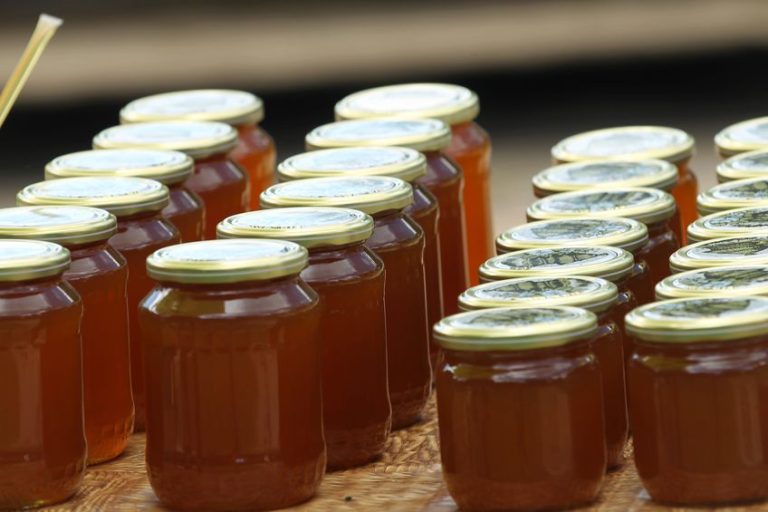
Squeeze bottles are popular for everyday use because they make it easy to add honey to beverages, breakfast foods, and recipes. Glass jars, on the other hand, can create a more premium appearance and may appeal to shoppers looking for specialty products. Retailers should also consider container sizes, label designs, and how different products will look together on store shelves. Choosing the right honey packaging options can help brands create a consistent product line while meeting the needs of different customers.
Building a Private Label Honey Assortment
When building a private label honey assortment, retailers should consider their existing customer base, available shelf space, and the price points they want to offer. Starting with a few complementary products can help businesses test customer interest before expanding into additional varieties or packaging formats.
For example, a retailer might begin with a versatile everyday honey and introduce a specialty variety based on customer demand. Sales performance and shopper feedback can then help guide future decisions about product sizes, packaging, and additional honey options. By selecting products that complement one another, retailers can give shoppers more reasons to choose their private label brand while keeping the assortment manageable.
Finding the Right Private Label Honey Partner
Developing a successful private label honey line involves more than selecting a product and adding a label. Retailers also need to consider product quality, sourcing, packaging capabilities, and consistent availability.
Working with an experienced private label honey supplier can help retailers navigate product selection, packaging decisions, labeling requirements, and sourcing considerations. Having a dependable partner can also help maintain product quality and reliable availability as a private label line grows.
Explore Private Label Honey Solutions With GloryBee
Whether you’re introducing your first private label honey product or expanding an existing assortment, choosing the right varieties and packaging can help your brand stand out and appeal to more shoppers.
At GloryBee, we work with retailers and brands to develop private label honey solutions that fit their goals. From everyday honey to specialty varieties, our team can help you explore options for your product line.
Talk to a Honey Expert to learn more about our private label honey solutions and discuss your brand’s needs.
For more insights on honey sourcing, consumer trends, and industry developments, sign up for the GloryBee newsletter to stay informed.