
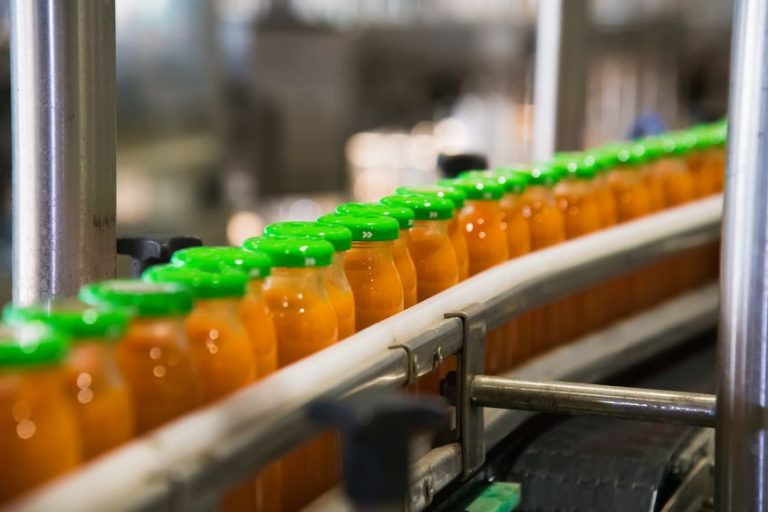
Honey has long been used to sweeten tea and other beverages, but its applications extend far beyond traditional hot drinks. From ready-to-drink teas and kombucha to craft beer, mead, and specialty beverages, honey offers manufacturers a versatile ingredient that contributes both sweetness and flavor.
As beverage companies explore new flavor combinations, honey provides opportunities to develop distinctive honey-sweetened drinks. However, incorporating honey into beverages requires careful consideration of factors such as solubility, flavor consistency, and processing conditions to achieve the desired results.
Honey in Tea and Ready-to-Drink Beverages
Tea is one of the most familiar applications for honey, but its uses extend to bottled teas, flavored waters, lemonades, and other ready-to-drink (RTD) beverages. Honey pairs well with ingredients like lemon, ginger, peach, and mint, allowing manufacturers to create interesting flavor combinations. For example, honey can complement citrus in green tea or balance stronger botanical flavors in herbal beverages.
When developing RTD products, manufacturers must also consider how honey interacts with other ingredients during production and storage. Sweetness levels, acidity, processing temperatures, and product stability can all influence the finished beverage, making formulation testing an important step.
Using Honey in Kombucha and Fermented Beverages
Honey can also be incorporated into kombucha and other fermented beverages. Its natural sugars can serve as fermentable carbohydrates, while its flavor contributes to the finished product.
However, replacing traditional sugar with honey may affect fermentation rates, microbial activity, and flavor development. Manufacturers should evaluate how honey interacts with their fermentation cultures and determine whether it works best during fermentation or as part of a controlled post-fermentation process. Maintaining consistent acidity, carbonation, and alcohol levels is especially important for commercial production.
Honey in Craft Beer and Mead Production
Honey has a long history in alcoholic beverage production, particularly in mead, where it serves as the primary fermentable sugar source. Craft brewers also use honey to contribute fermentable sugars and influence a beer’s flavor, aroma, and body.
The results depend on the honey variety, amount used, and when it is added during production. Because honey sugars are highly fermentable, brewers must consider their effects on alcohol content and residual sweetness. Different floral sources can also influence the finished product, making honey selection important for maintaining consistent flavor profiles.
Understanding Honey Solubility in Cold Drinks
One challenge when using honey in beverages is its natural thickness. Honey generally dissolves more easily in warm liquids, making it more difficult to incorporate evenly into cold drinks like iced teas, cold-brew coffees, and flavored waters.
Honey syrup for beverages can offer a practical solution. Preparing honey as a syrup with water creates a thinner consistency that can make it easier to measure, mix, and incorporate into cold beverages. However, manufacturers must account for how dilution affects water content, microbial stability, and shelf life. Testing the complete beverage formulation helps ensure consistent results.
Choosing Honey for Beverage Manufacturing
Not all honey has the same flavor, color, or physical characteristics. A lighter honey may complement delicate teas and citrus beverages, while a more pronounced variety could work well in fermented drinks or specialty products.
Manufacturers should also consider moisture content, packaging formats, purchasing volumes, and supply consistency when selecting bulk honey. Understanding how to buy honey in bulk for food manufacturing and reviewing supplier quality standards and certifications can help businesses make informed sourcing decisions.
Explore Bulk Honey Solutions With GloryBee
From honey-sweetened teas and RTD beverages to kombucha, craft beer, and mead, honey offers manufacturers opportunities to create beverages with distinctive flavors. Choosing the right honey and understanding how it performs during processing are key to consistent production.
At GloryBee, we help commercial customers find honey solutions for their food and beverage applications. Talk to a Honey Expert to discuss your beverage manufacturing needs and explore our bulk honey options.
For more insights on honey sourcing, consumer trends, and industry developments, sign up for the GloryBee newsletter to stay informed.