
When a product misses the mark on texture, customers notice right away. A dog treat that crumbles too easily, a gluten-free baked good that feels dry, or a snack coating that loses its crispness can turn a promising formula into a frustrating one.
That is why potato starch matters more than its simple name might suggest.
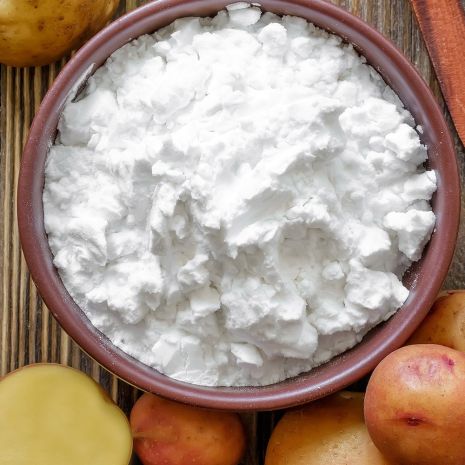
For food and pet product manufacturers, potato starch is often the quiet ingredient doing some of the most important work behind the scenes. It helps solve texture issues, improves structure, and supports better consistency across batches. When performance matters, it can be one of the most useful tools in the formula.
Why Texture Can Make or Break a Product
Texture is not just a finishing detail. In many cases, it is the product experience.
In pet treats, structure and chew are part of what signals quality. If a treat breaks apart too easily or feels too dense, it can create problems in both production and customer perception. In gluten-free applications, texture can be even harder to get right. Products may come out too dry, too gummy, or too fragile without the right starch support.
Potato starch helps address those issues by improving binding, holding shape, and supporting a more balanced final texture.
A Strong Fit for Pet Food and Treats
For pet food brands, especially those formulating dog treats, potato starch can be a valuable binding agent. It helps hold ingredients together without relying on grains or more heavily processed fillers. That can be a major advantage for brands targeting grain-free or cleaner-label positioning.
It also helps improve chew and structure, giving finished products a more consistent bite and appearance. When production teams need a formula to perform reliably from batch to batch, those details matter.
Supporting Gluten-Free and Snack Applications
Potato starch also plays an important role in the development of gluten-free products. It can help thicken soups, sauces, and gravies while maintaining a smooth texture without adding cloudiness. In baking, it can support lighter, airier textures and improve moisture retention, helping reduce dryness in finished products.
Snack manufacturers may also use potato starch to improve crispness in coatings or create a cleaner texture in finished products. In each of these cases, the ingredient is doing more than filling space. It is helping shape the eating experience.
Better Performance with a Cleaner Story
Today’s buyers are paying closer attention to ingredient labels. Brands need ingredients that work hard in the formula while still fitting a simpler, more transparent product story.
Potato starch offers that balance. It is recognizable, versatile, and useful across a wide range of applications. For R&D teams, it can help solve real formulation problems. For brands, it can support a cleaner positioning without sacrificing function.
Source Bulk Potato Starch with Confidence
At GloryBee, we help brands find ingredient solutions that improve performance and support consistency at scale. Our potato starch can help you solve texture, binding, and moisture challenges across pet products, gluten-free applications, snacks, and more.
Ready to improve your formulas? Contact us online for a free quote and see how our reliable bulk potato starch and tailored ingredient solutions can strengthen your next product.